

UI/UX DESIGN
The Atlantic
Role
Senior Product Analyst
Team
7 people
Timeline
Spring 2026: 6 months
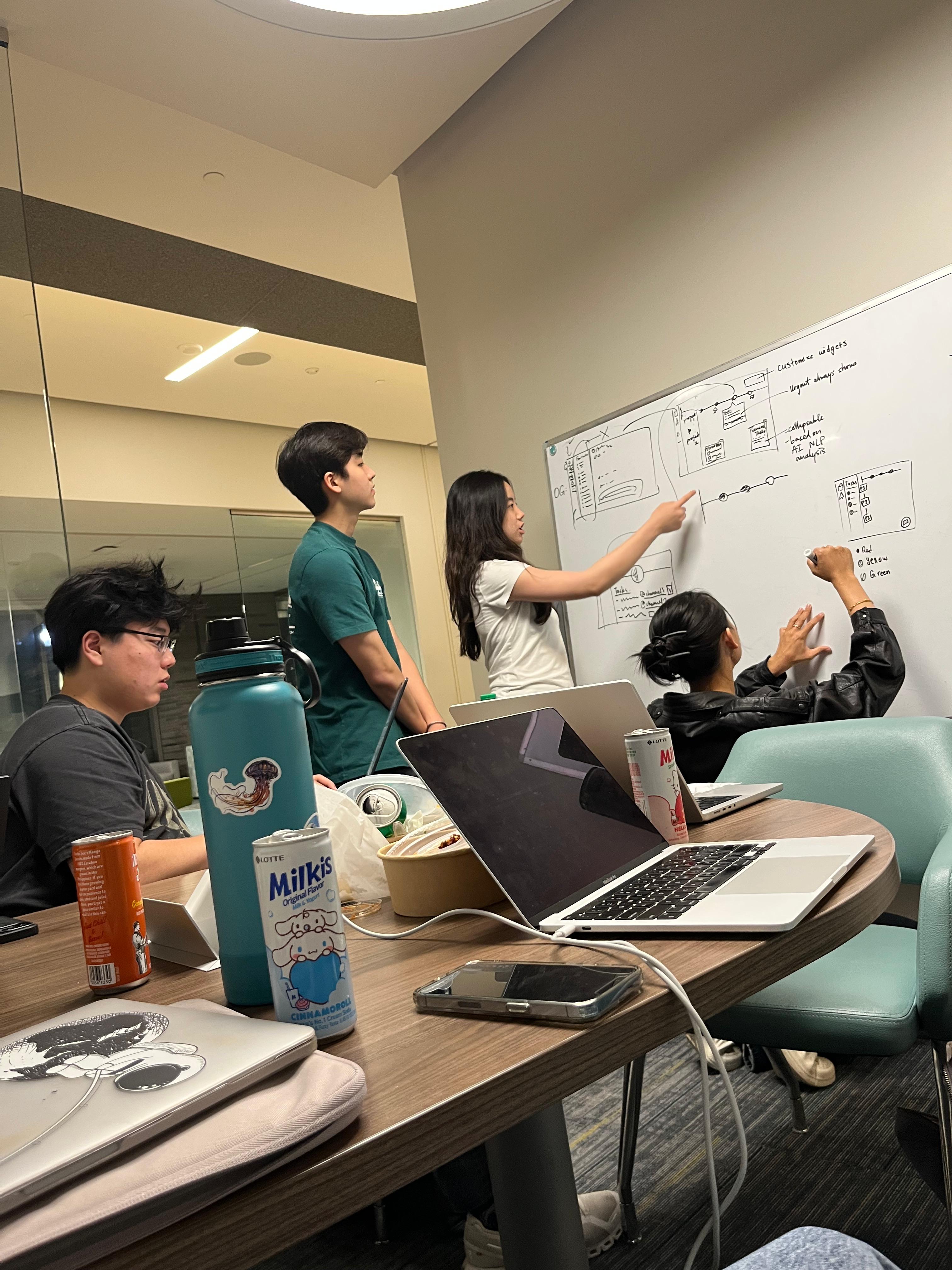
My team and I developed 4 features for The Atlantic. We enhanced Gen Z engagement by reducing friction in the article-commentary flow through intuitive design features and a sophisticated, trust-based comment ranking algorithm. I led the Figma prototype design process.
Author Interaction
Overview
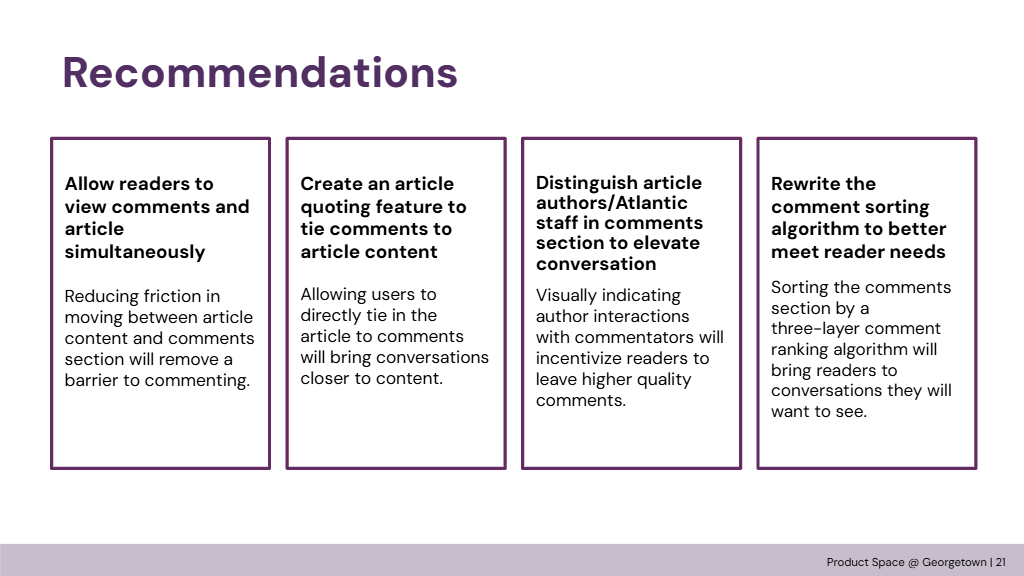
This project focused on increasing engagement among Gen Z users for The Atlantic by identifying and removing friction within the article-commentary flow. The team developed a comprehensive set of 4 product features: Split-Screen View, Highlight-to-Quote, "Most Quoted" Bridge, and a new ranking algorithm. All features were designed to streamline interactions and elevate comment quality.
Problem
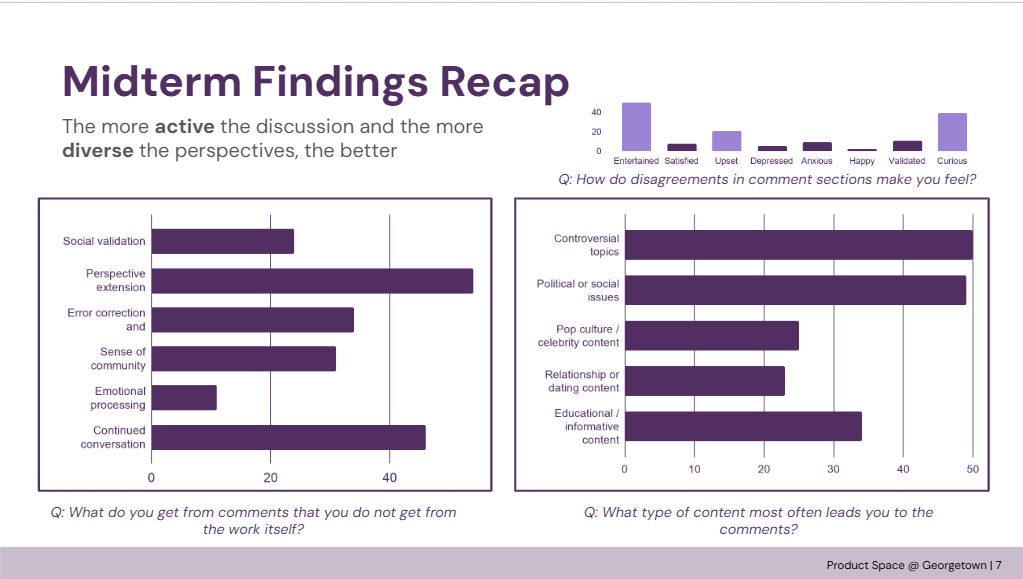
Readers struggle to have meaningful discussions while following along with article text. The team identified three key barriers: fragmented reading experience, difficulty referencing specific content, and inadequate comment ranking systems.
- Key Barriers
- A fragmented reading experience that disrupts the flow between content and discussion
- Difficulty in referencing specific parts of an article when engaging in commentary
- Comment ranking systems that do not adequately prioritize high-quality or relevant insights
Process
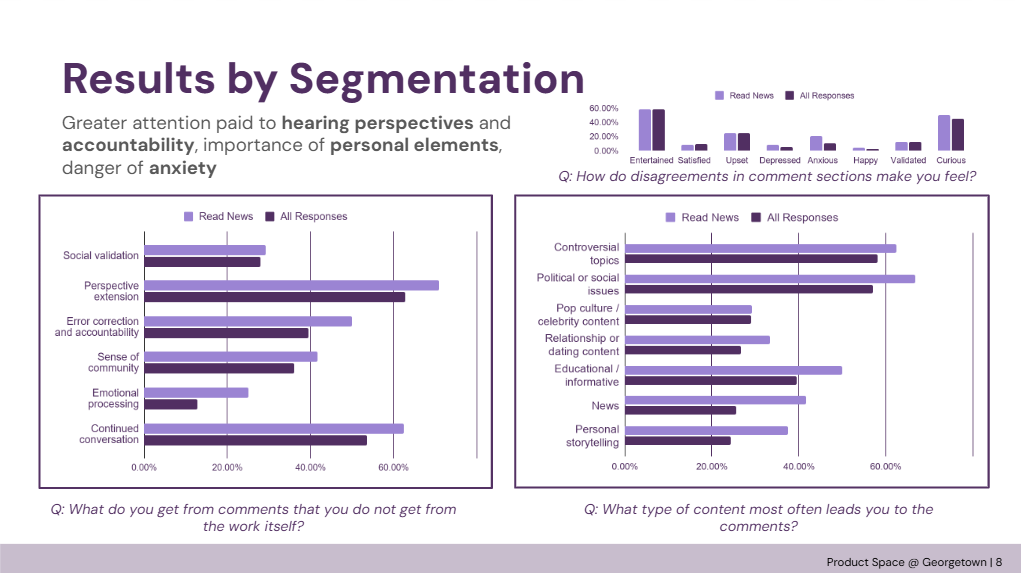
- Research: We audited 21 platforms and collected 100+ survey responses to map user motivations and pain points
- Data Analysis: We performed an algorithm backtest to evaluate how current comment sorting affects user experience
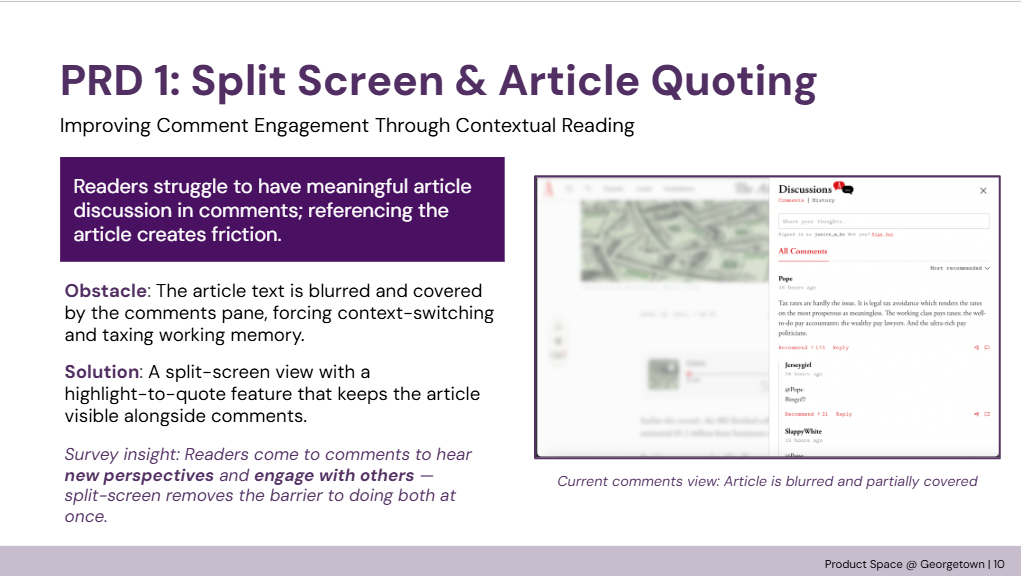
- Strategic Development: Findings were distilled into four actionable feature proposals across two PRDs
- High-Fidelity Prototyping: Led the design prototypes for all four features, consistently reiterating on Figma based on weekly meetings and stakeholder feedback
Solution
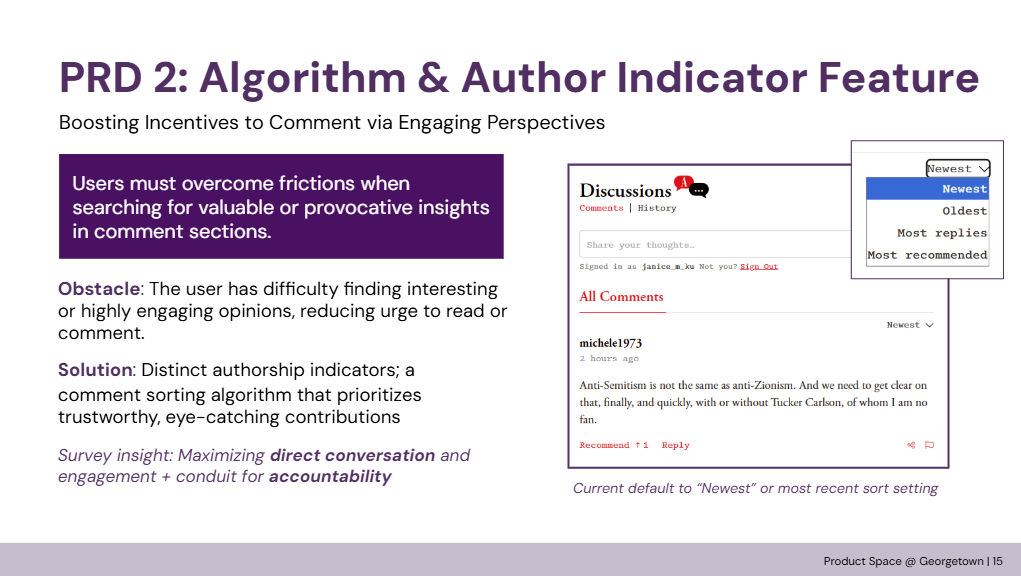
The project proposes a dual-pronged approach to improve the platform.
- REDUCING FRICTION:
- Split-Screen View: Keeps the article visible and scrollable while allowing independent interaction with the comment pane
- Highlight-to-Quote: Allows users to insert article passages directly into comments as block quotes with a single click
- "Most Quoted" Bridge: An end-of-article summary highlighting highly discussed passages to drive engagement
- ENHANCING QUALITY:
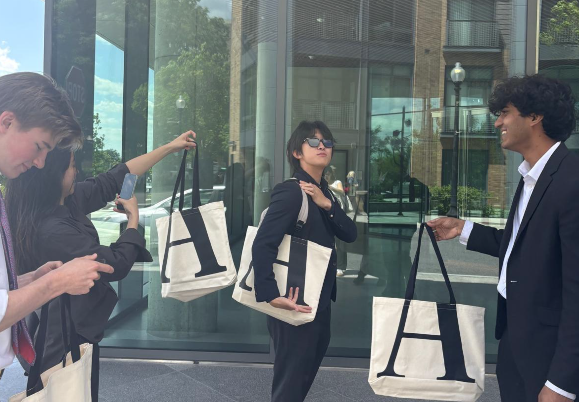
- Author/Staff Badges: Clearly identifies newsroom staff with "A" symbols.
- Advanced Sorting: Implements a Wilson Score with Bayesian smoothing, incorporating a trust score for quality contributors, time-decay factors, and upvote confidence metrics
Reflection
This project bridged the gap between complex research and human-centric design, serving as an inspiring milestone in my professional growth.
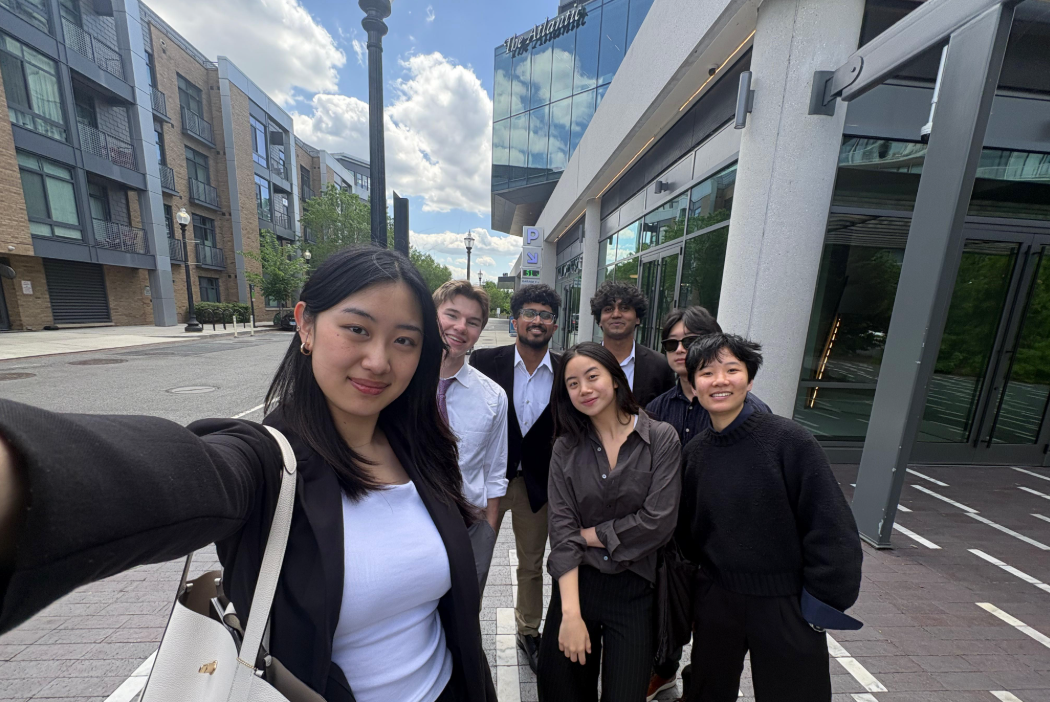
Sitting in a boardroom and engaging directly with product leads from The Atlantic's different offices offered a firsthand view of how high-level editorial strategy meets technical innovation.
I found deep satisfaction in designing based on actual user feedback, constantly trying to simplify and streamline user flows in the most overlooked areas of the interface.
This experience truly solidified my belief that effective product work happens when you start focusing on removing the small frictions that stand between people and the content they value.
iColor
Role
Product Founder
Team
Solo Project
Timeline
Spring 2025: 3 months
I designed an AI-powered app that democratizes professional color analysis by transforming expensive, exclusive services into an accessible, all-in-one digital assistant for anyone, from designers to everyday users.
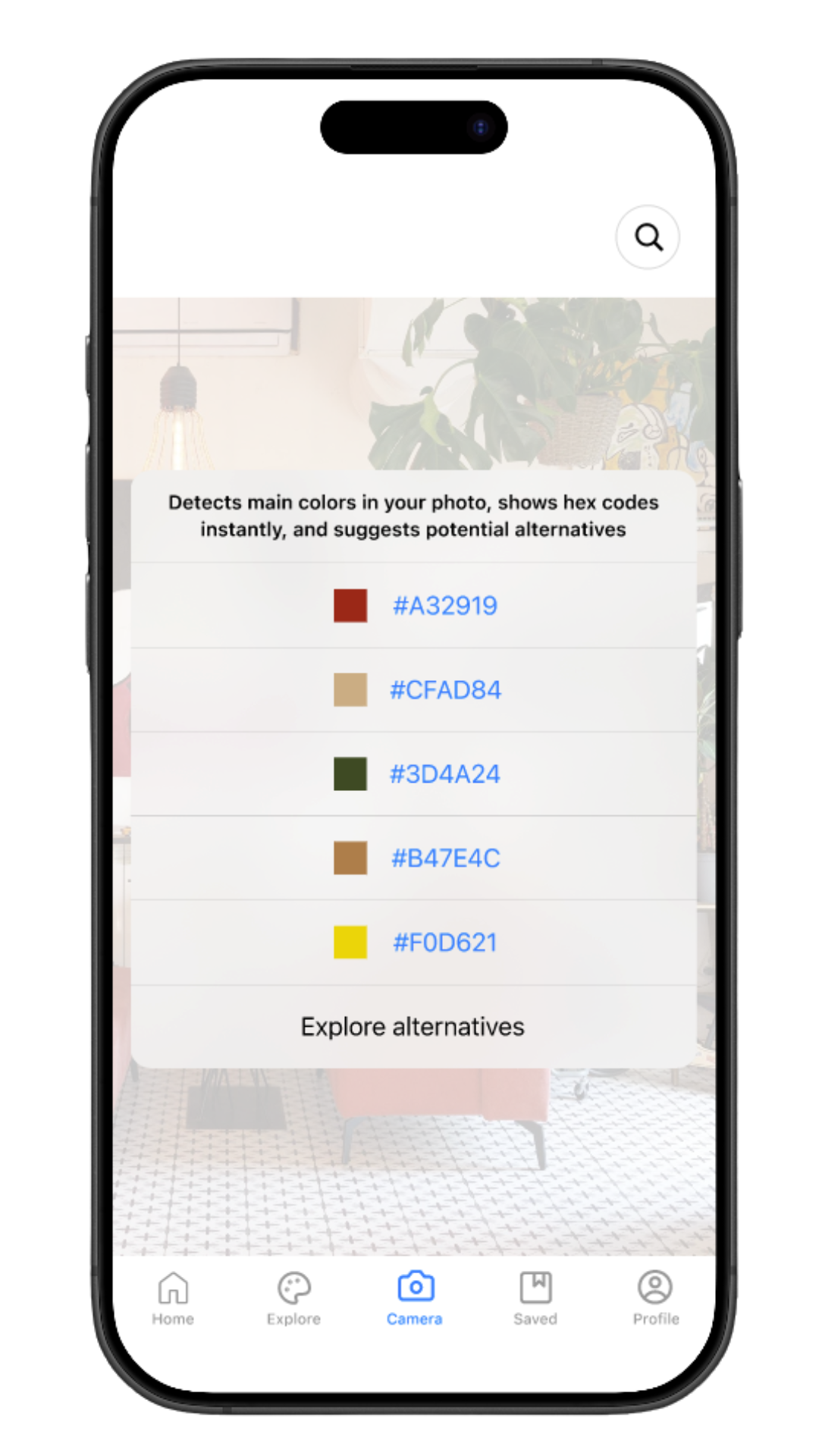
Color Detection
Overview
iColor is an end-to-end digital assistant that consolidates professional-grade color analysis into a free, accessible tool. It helps visual-heavy professionals and everyday users create cohesive, professional aesthetics without the need for expensive consultants.

Problem
Users, such as small business managers, often lack the "visual literacy" to capitalize on color psychology. They struggle to create engaging storefronts or marketing materials, and existing tools are either too technical or lack the ability to provide visual, real-world application of color schemes.
Process
Research and technical implementation guided the development
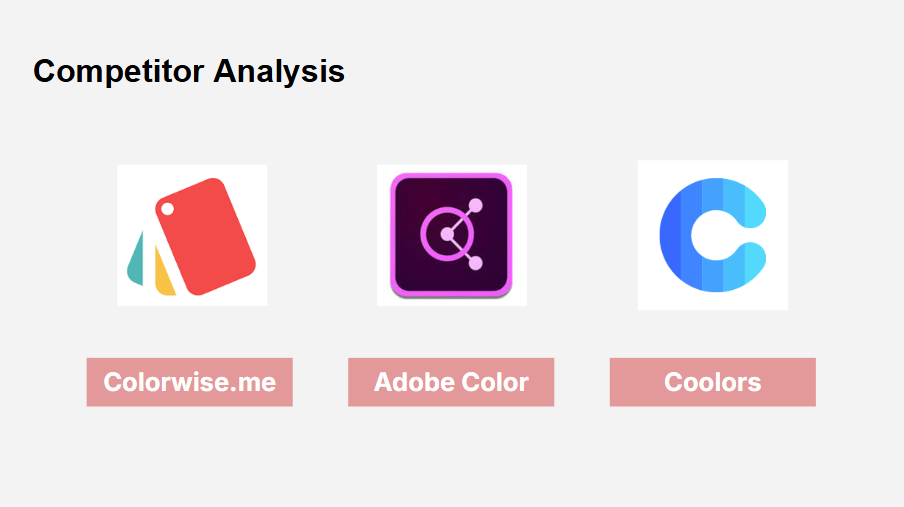
- Research: Identified a market gap for a tool that moves beyond hex codes to offer real-world visualization.
- Technical Implementation: Utilized K-Means clustering to automatically extract dominant color palettes from complex images, distilling messy visual data into actionable design suggestions.
- Design Pivot: Shifted from static suggestions to a "Live Preview" feature, enabling users to see and apply palettes to their own environment in real-time.
Solution
The final solution is an AI-driven platform featuring:
- Live Visualizer: Real-time application of palettes to user-uploaded photos via computer vision.
- Smart Coordination: NLP-powered palette generation based on user mood and project context.
- Personalization: Adaptive logic that learns user style over time for increasingly tailored results.
- Educational Support: Simple, non-technical feedback helps users learn color theory through experience rather than textbooks.
Reflection
This project bridged the gap between complex AI and user-centric design. I learned that providing instant, tangible visual feedback is the most effective way to help non-designers master visual literacy and achieve professional-quality outcomes.
UniversiEats
Role
Product Analyst & Researcher
Team
4 people
Timeline
Spring 2026: 36 hours
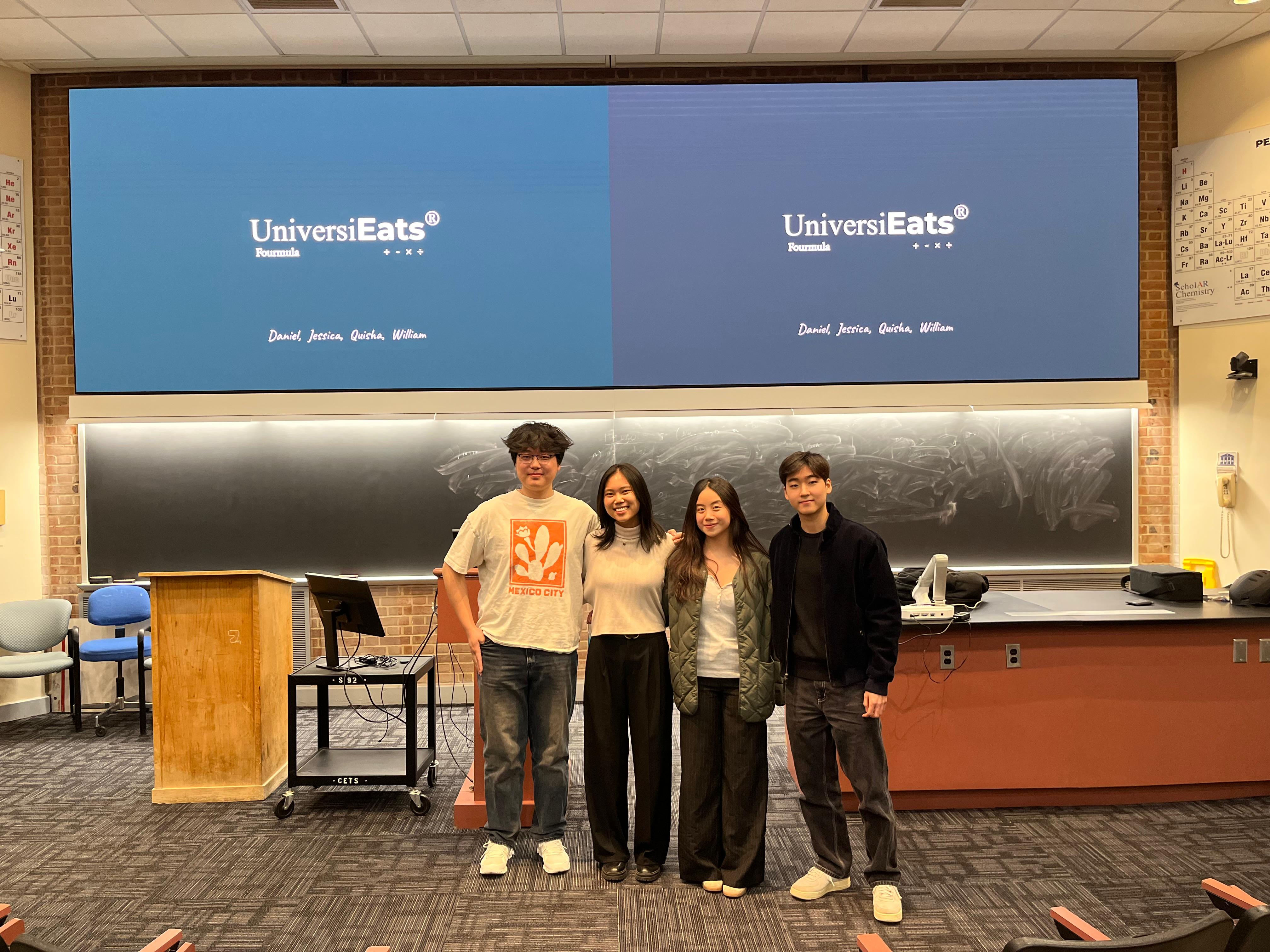
During Georgetown's Product Case Competition, my team and I addressed the ambiguity of on-campus dining by developing an AI-driven meal planner that syncs with student schedules and gamifies nutritional tracking to combat undernourishment. We came 1st Place in Georgetown's Product Case Competition.
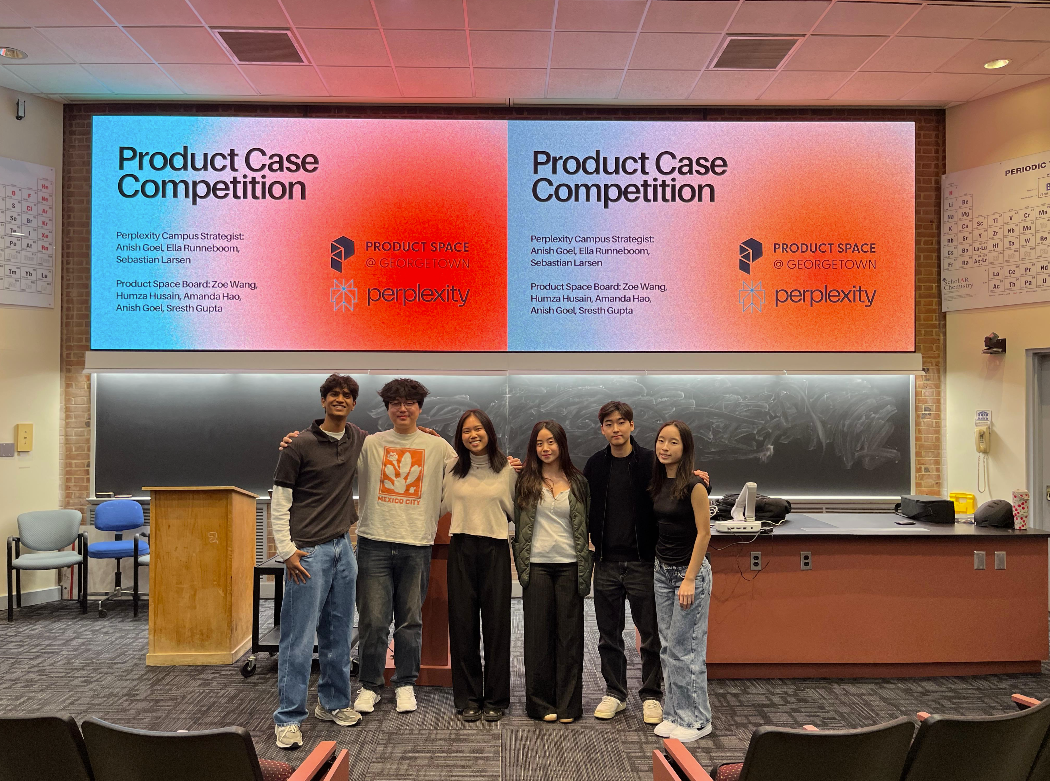
Team Presentation
Overview
UniversiEats is an integrated mobile solution designed to solve the "blurry" decision-making process students face regarding on-campus food. By centralizing dining options, nutritional data, and individual schedules, the platform aims to reduce the prevalence of skipped meals and undernourishment among the student body.
Problem
Our research revealed significant barriers to healthy eating on campus.
- Time Constraints: 68% of students skip at least one meal every day, often due to busy academic schedules
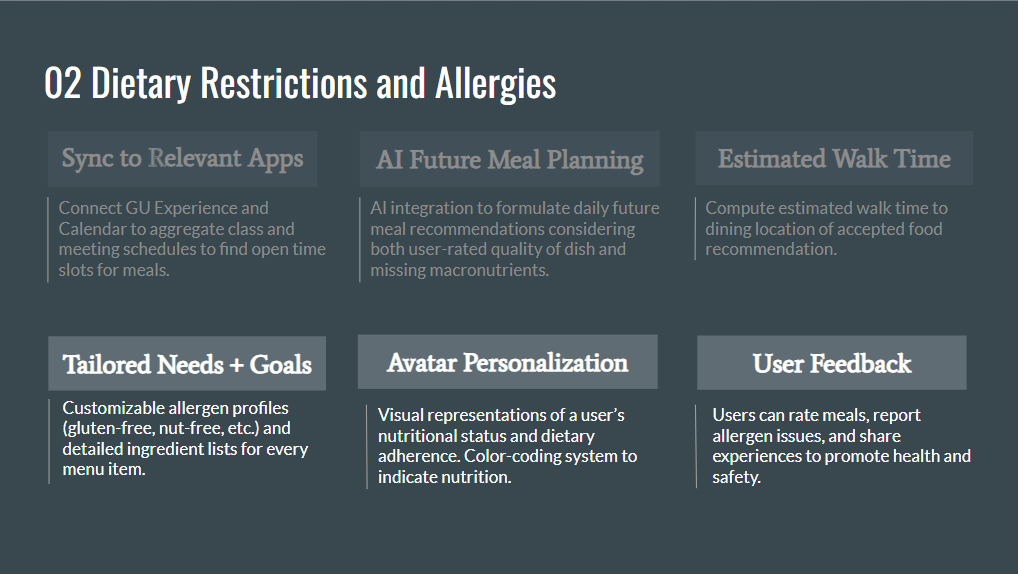
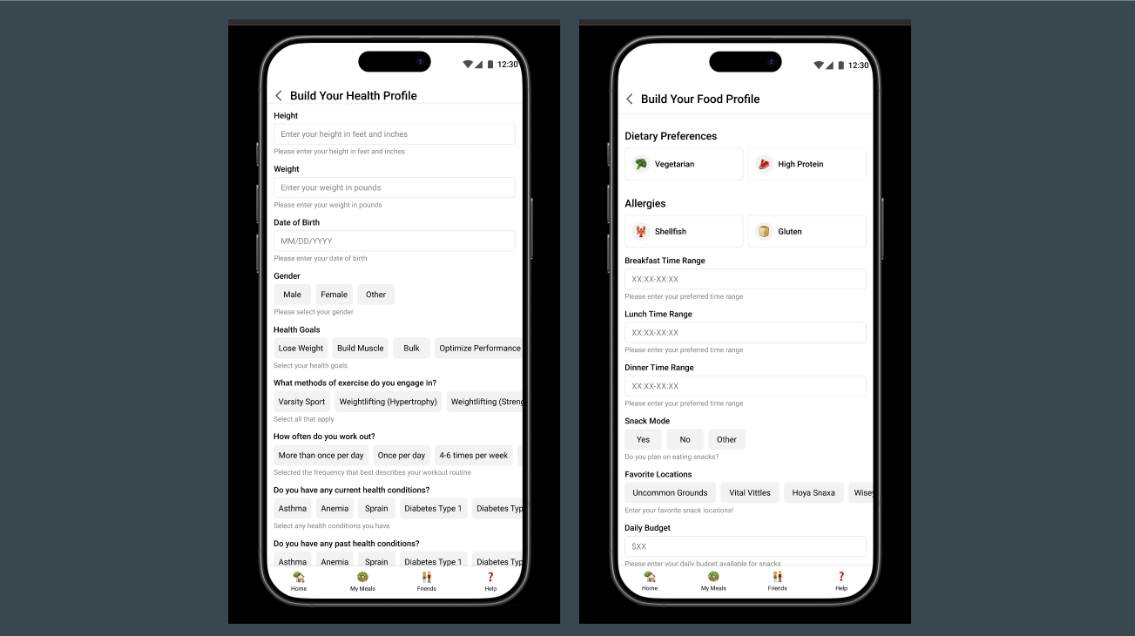
- Nutritional Uncertainty: 48% of students feel undernourished, struggling to balance dietary restrictions (such as allergies to shellfish, nuts, or gluten) with their daily caloric and nutritional needs
- Decision Fatigue: Students lack a streamlined way to reconcile their personal schedule, dietary goals, and the fluctuating availability of campus dining options
Process
- Data-Driven Insights: We identified core pain points through user surveying, highlighting the disconnect between hectic student schedules and institutional dining services
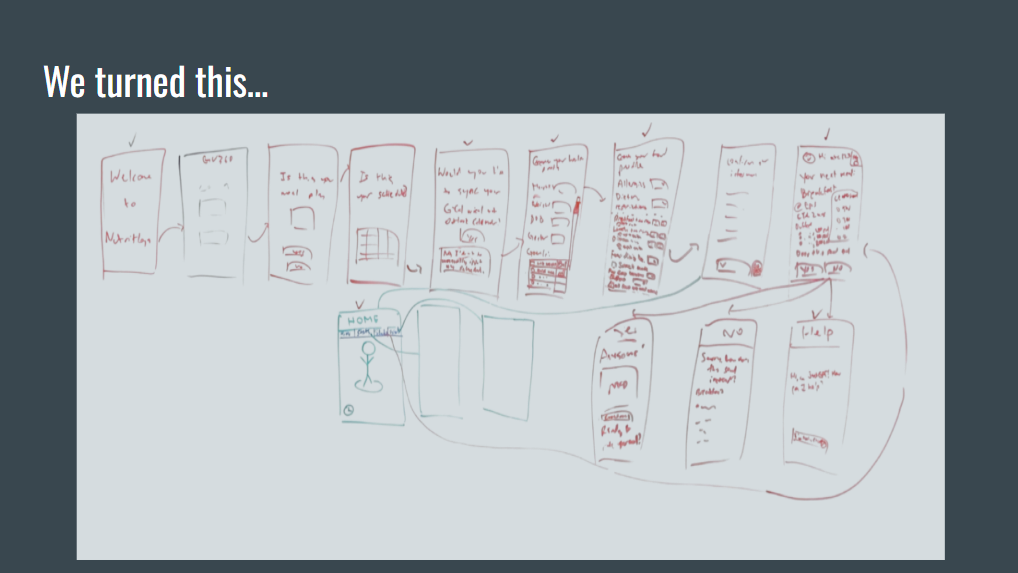
- System Integration: We mapped the user journey to integrate with existing campus infrastructure (like GU Experience and SSO platforms), ensuring the app functions as a seamless extension of the student's digital life
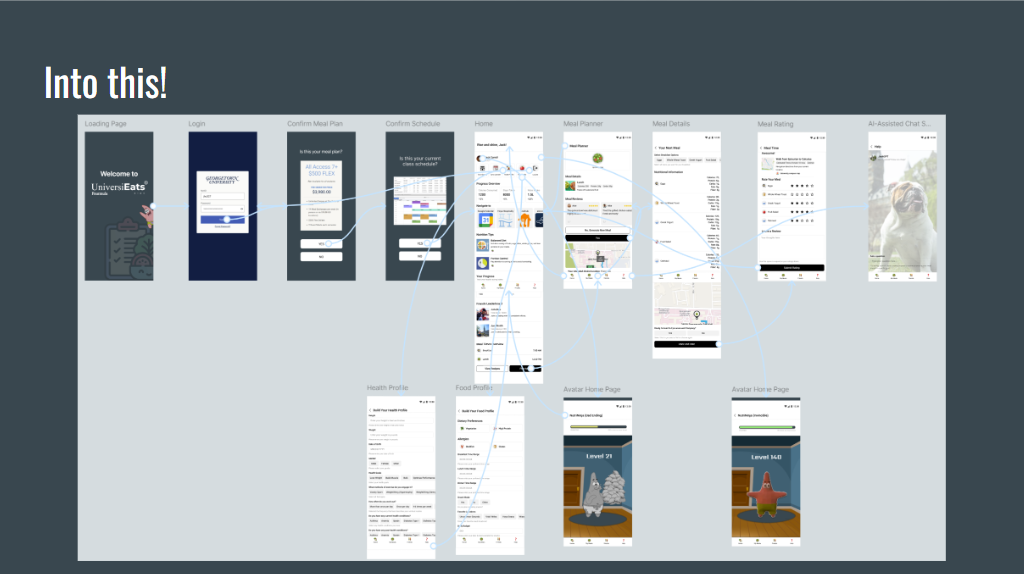
- Gamification & Pivot: We iterated on the "Avatar Personalization" feature, shifting from static alerts to a dynamic color-coding system that visualizes nutritional status, encouraging users to engage more consistently with their health goals
Solution
The platform offers a comprehensive suite of features.
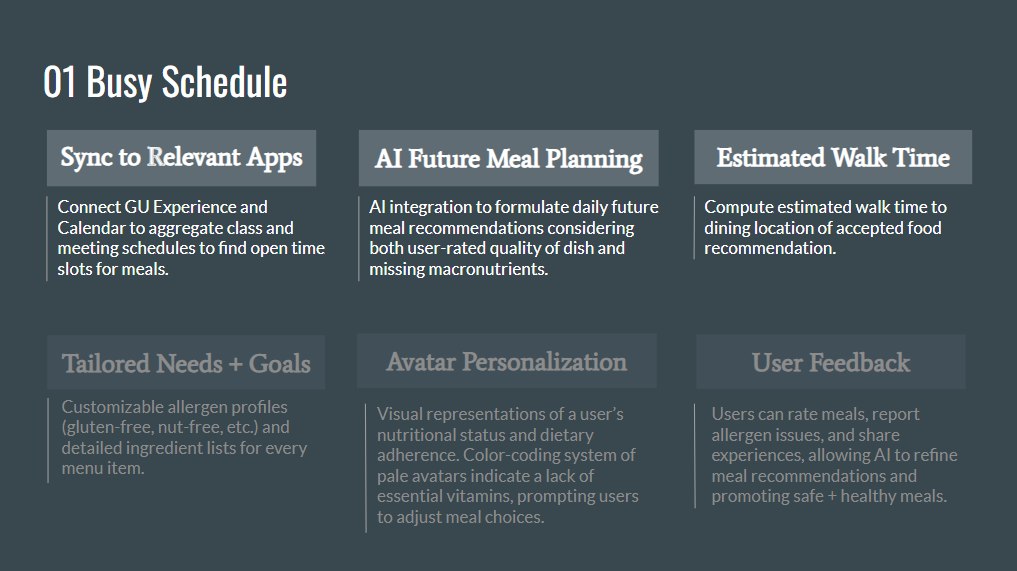
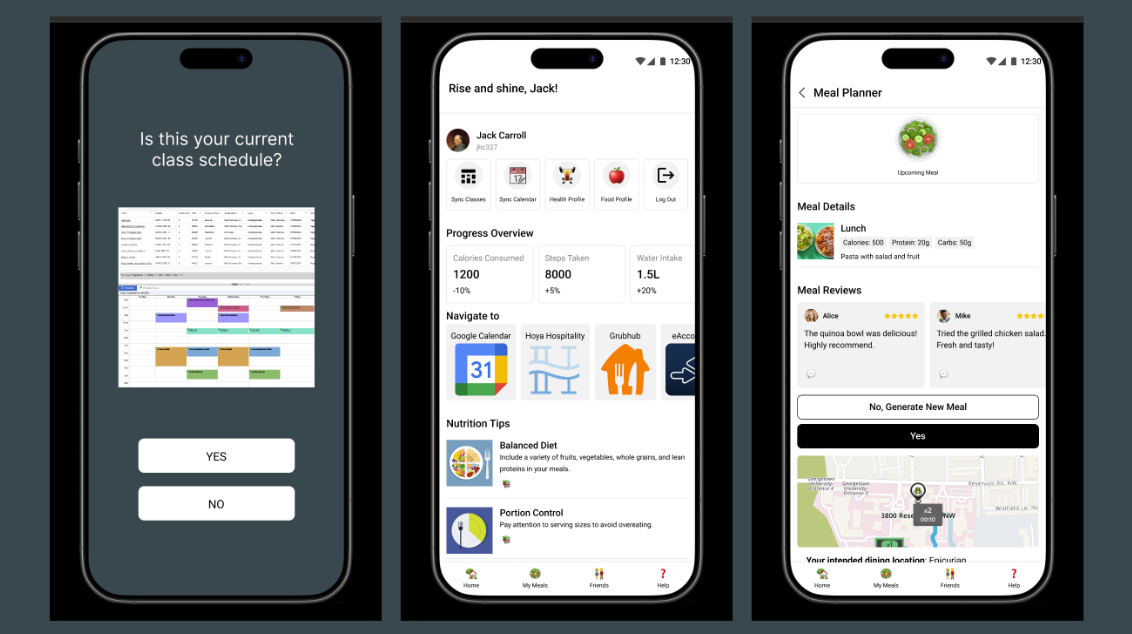
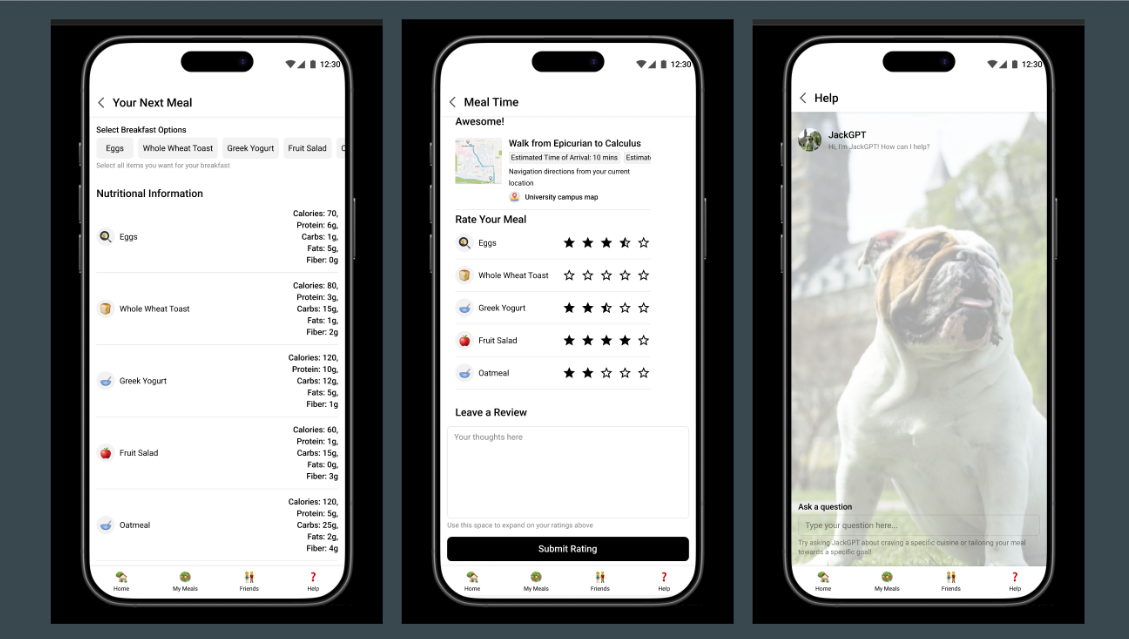
- Smart Scheduling: Syncs with student calendars to identify open time slots for meals and calculates the walk time to specific dining locations
- AI Meal Planning: Generates personalized recommendations based on user-rated dish quality, missing macronutrients, and specific dietary profiles
- NutriNinja Avatar: A gamified visual representation of health; a "pale" avatar indicates poor nutritional intake, while a "saturated/vibrant" avatar rewards consistent healthy adherence
- Scalability: Designed as a white-label product, allowing for easy adoption by other university administrations and seamless integration with third-party partners like GrubHub
Reflection
This project reinforced my understanding that effective product sense is rooted in identifying how high-level data can be translated into simple, human-centric interventions in everyday lifestyles.
I learned that true innovation often lies in removing the logistical anxiety, in this case, that prevents people from maintaining healthy habits. By transforming essential but burdensome tasks into an engaging, gamified experience, I am constantly reminded that technology is at its best when it actively enhances the quality of a user's everyday life.